
Tray and plate transport trolleys – brings together the trolleys and racks built to move stacked plates, loaded trays and covers between the kitchen, the banquet room and the dishwash area. Typical designs include tray-runner trolleys with guided levels, plate stackers with column supports and open transport racks. Selection follows the tray or plate format in use, the number of covers moved per run and the route between kitchen and outlet.
When requesting a quotation, state the tray size and plate diameter in use, the number of covers per transport run, the narrowest passage on the route and whether the trolley enters the dishwash area. Level spacing, tray or plate capacity, frame material and castor type are shown in the technical description.
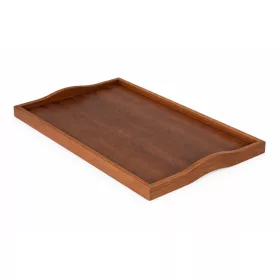
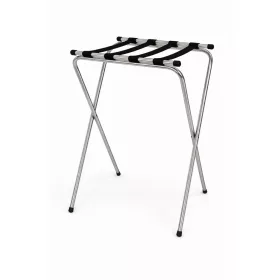
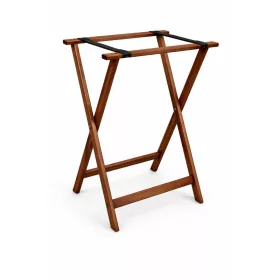
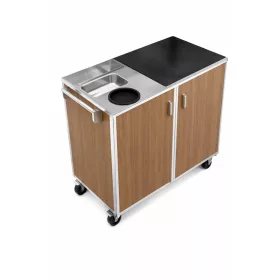
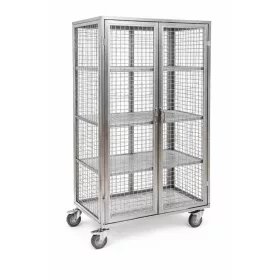
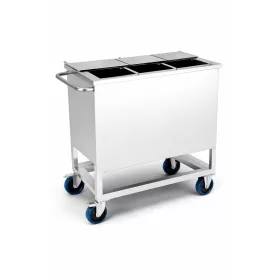
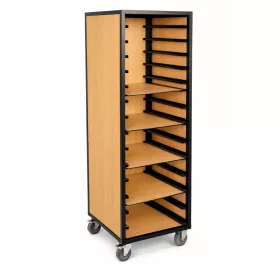
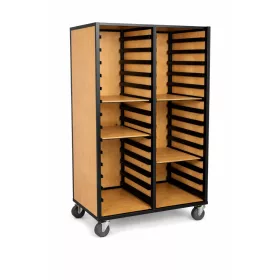
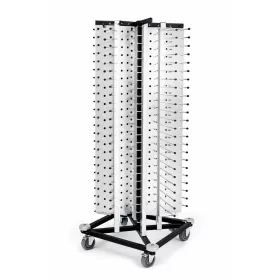
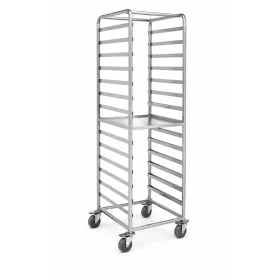
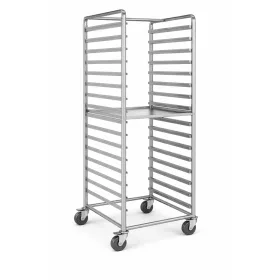
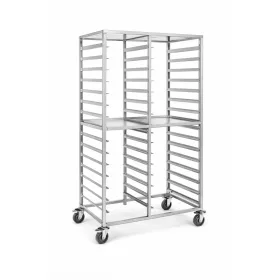
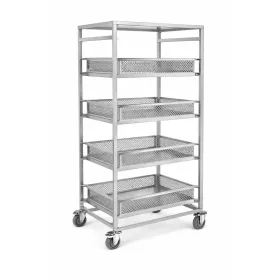
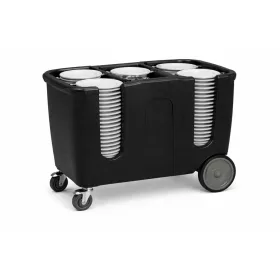
Tray and plate transport trolleys: procurement considerations
- Tray and plate format: level spacing and column diameter are built around specific tray sizes and plate diameters, so give your own dimensions before choosing.
- Capacity per run: the number of levels decides how many covers move in one trip, which directly affects staffing during a banquet service.
- Stability when loaded: a fully loaded plate trolley is heavy and top-loaded, so frame rigidity and braked castors matter more than on a light service trolley.
- Wash-down suitability: units that go into the dishwash area should be stainless steel with drainage-friendly construction and sealed castor bearings.
Frequently asked questions about this category
How do we choose the level spacing?
Measure the tallest loaded tray or plate stack including covers, then choose a spacing that clears it; too tight a spacing damages crockery, too generous a one wastes capacity.
Are these trolleys suitable for banquet service?
Yes — the multi-level models are designed exactly for moving plated covers to a banquet room in a single run; check the capacity per level against the number of covers you serve.
