
Blog
08/10/2026
07:00
For most three- and four-star rooms, 450-500 g/m² is the working range for towels. Use 400 g/m² for face cloths and 600 g/m² for bath mats and spa areas.
27/09/2026
07:20
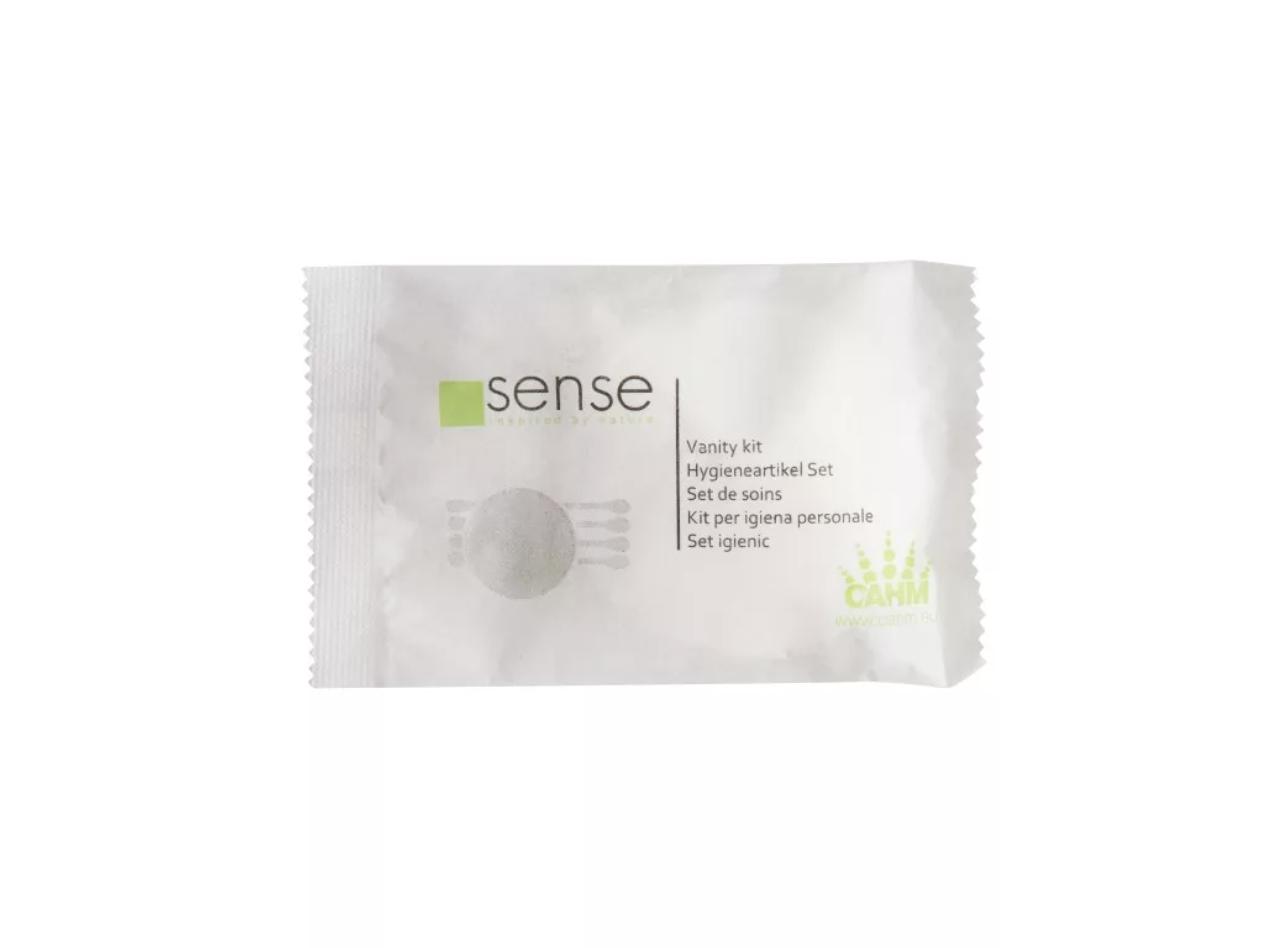
Hygiene sets are a small share of the room budget but carry disproportionate weight in guest ratings: everyone notices when they are missing, few mention them when they are there.
Below: which sets belong in the room by hotel category, how many are actually consumed, and where to put them in the bathroom.
26/09/2026
07:20
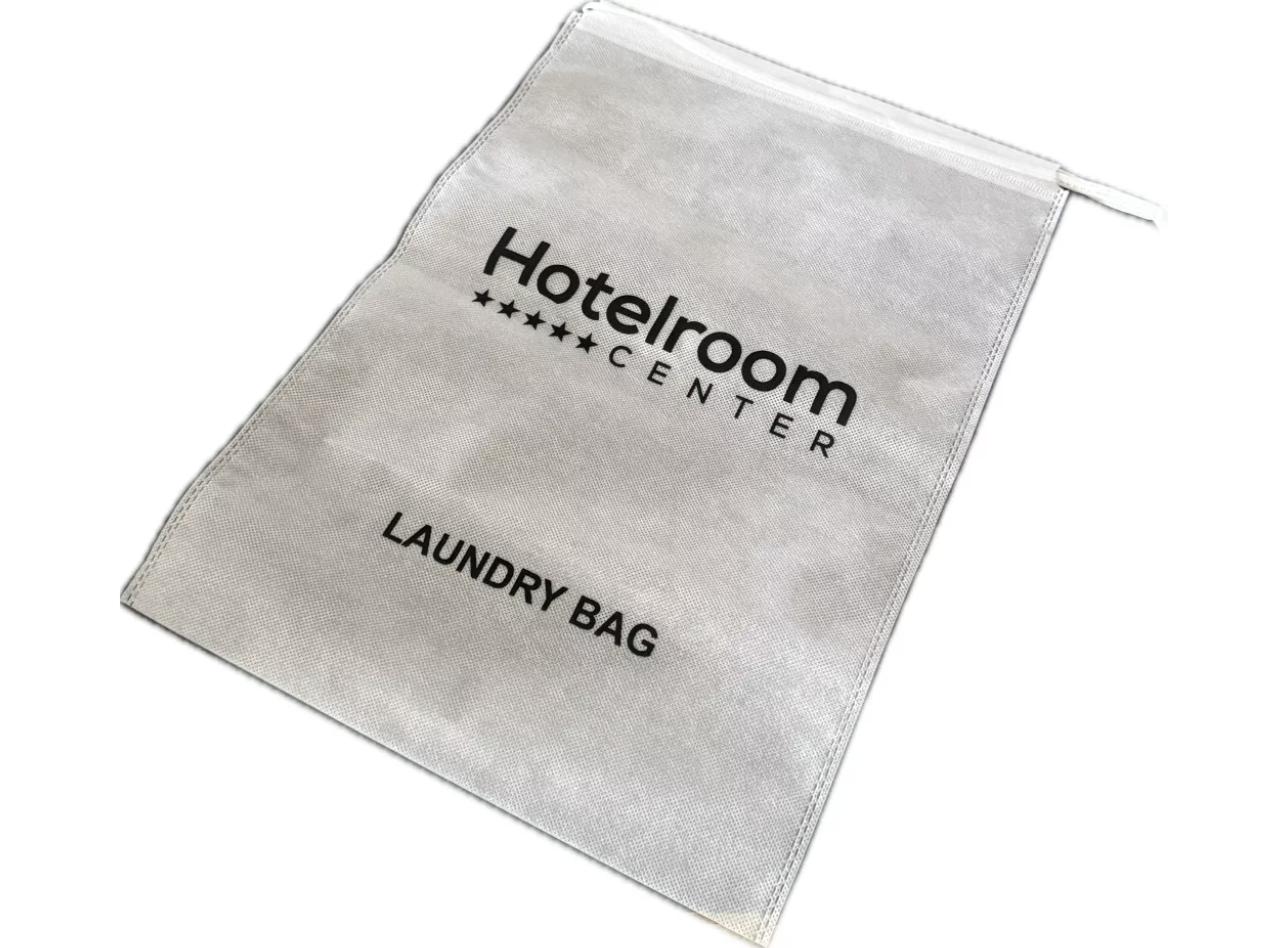
Dirty linen is a continuous flow in a hotel: every room produces several kilos of textiles a day. How housekeeping collects and moves it decides both cleaning speed and floor hygiene.
This article covers how to choose a laundry cart and linen bags, which capacity to pick, and how to set up colour coding.
25/09/2026
07:20
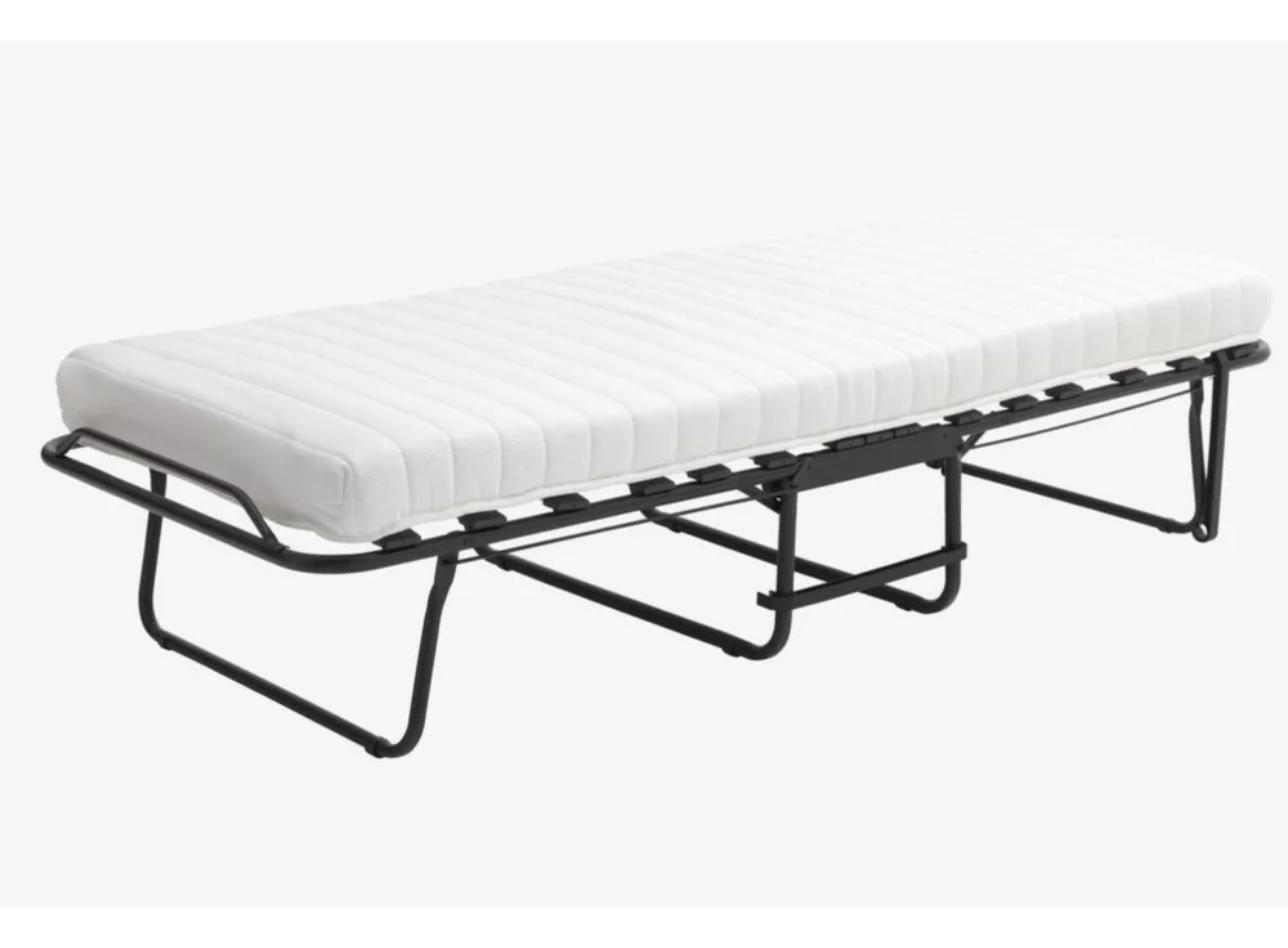
An extra bed is the cheapest way to raise the usable capacity of a room: it turns a double into a triple with no building work. The difference between a good and a bad one is obvious to the guest on the first night.
This article covers sizes, mattress thickness and frame types — and how quickly the investment in a third bed pays for itself.
24/09/2026
07:20
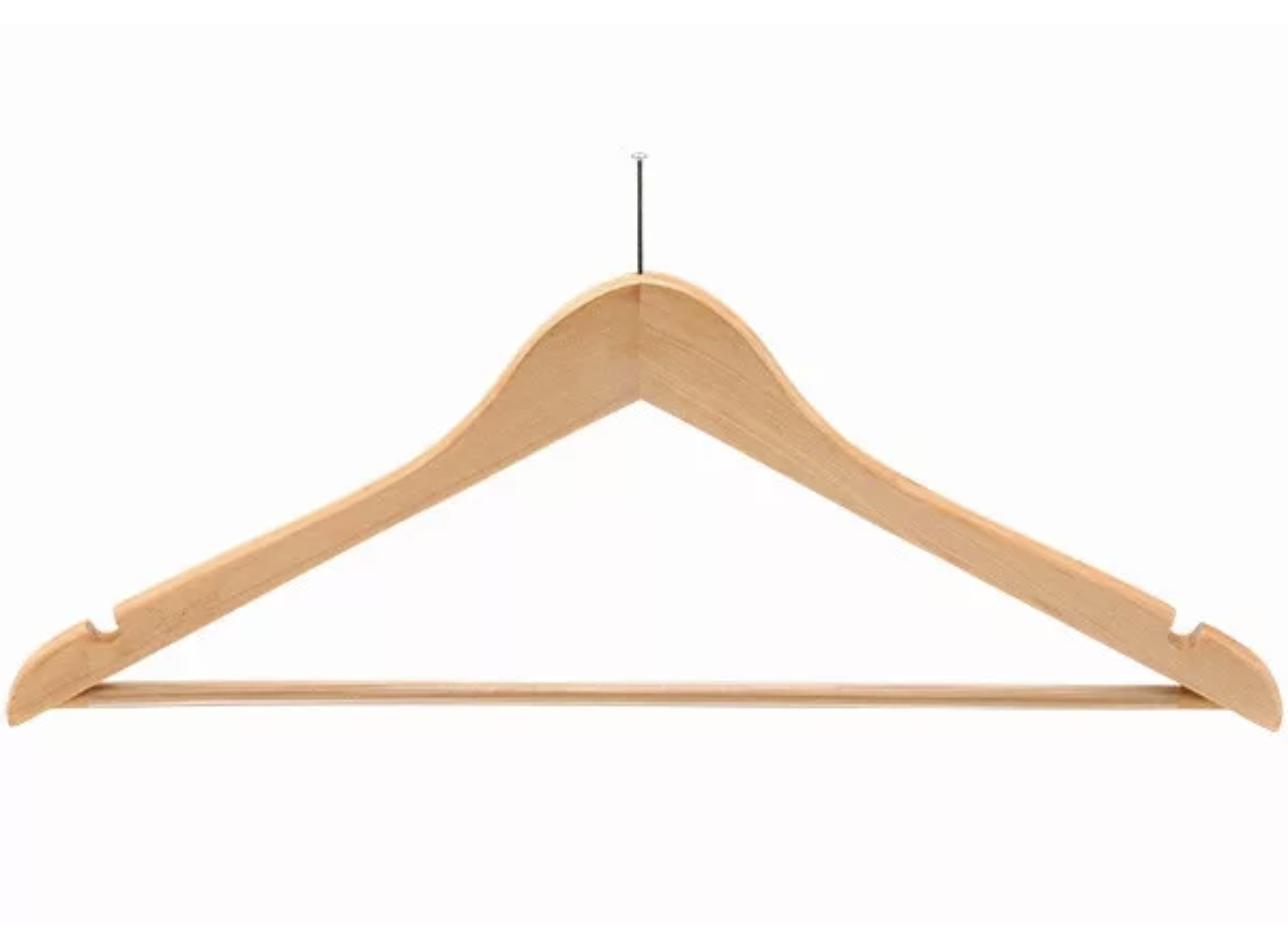
Hangers are the kind of detail a guest only notices when there are too few, when they wobble, or when they cannot be taken off the rail. Yet they are one of the cheapest room items with a direct effect on perceived quality.
Below is an overview of hanger types, their pros and cons, and the recommended quantity per wardrobe by hotel category.
23/09/2026
07:20
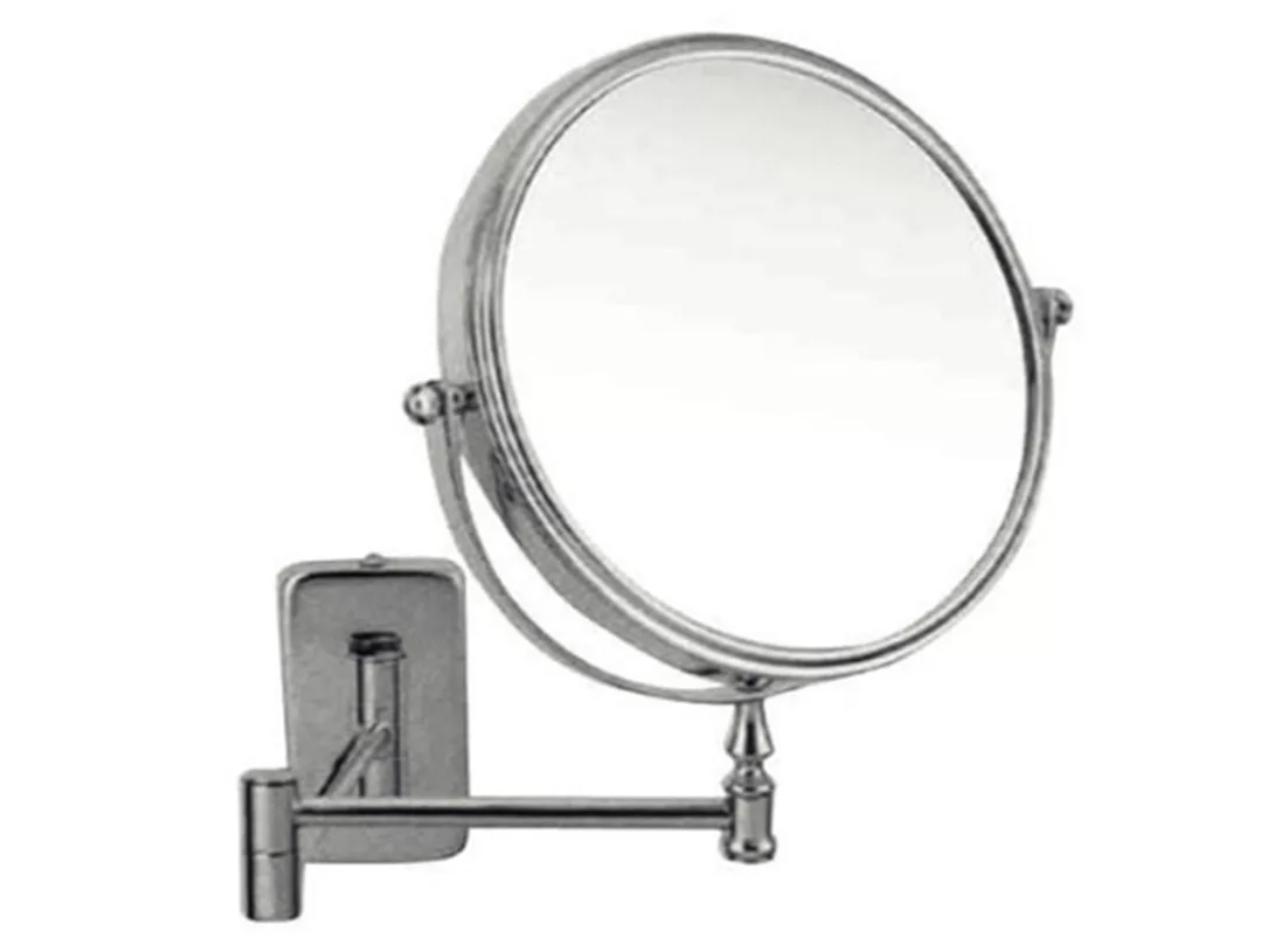
A cosmetic mirror is one of those details guests never praise and always miss. The moment someone needs to put on make-up, shave or insert contact lenses, its absence is obvious — and it lands in the review.
Below: which magnification to choose, when LED backlighting is worth it, and where to place the mirror so it actually works.
22/09/2026
07:20
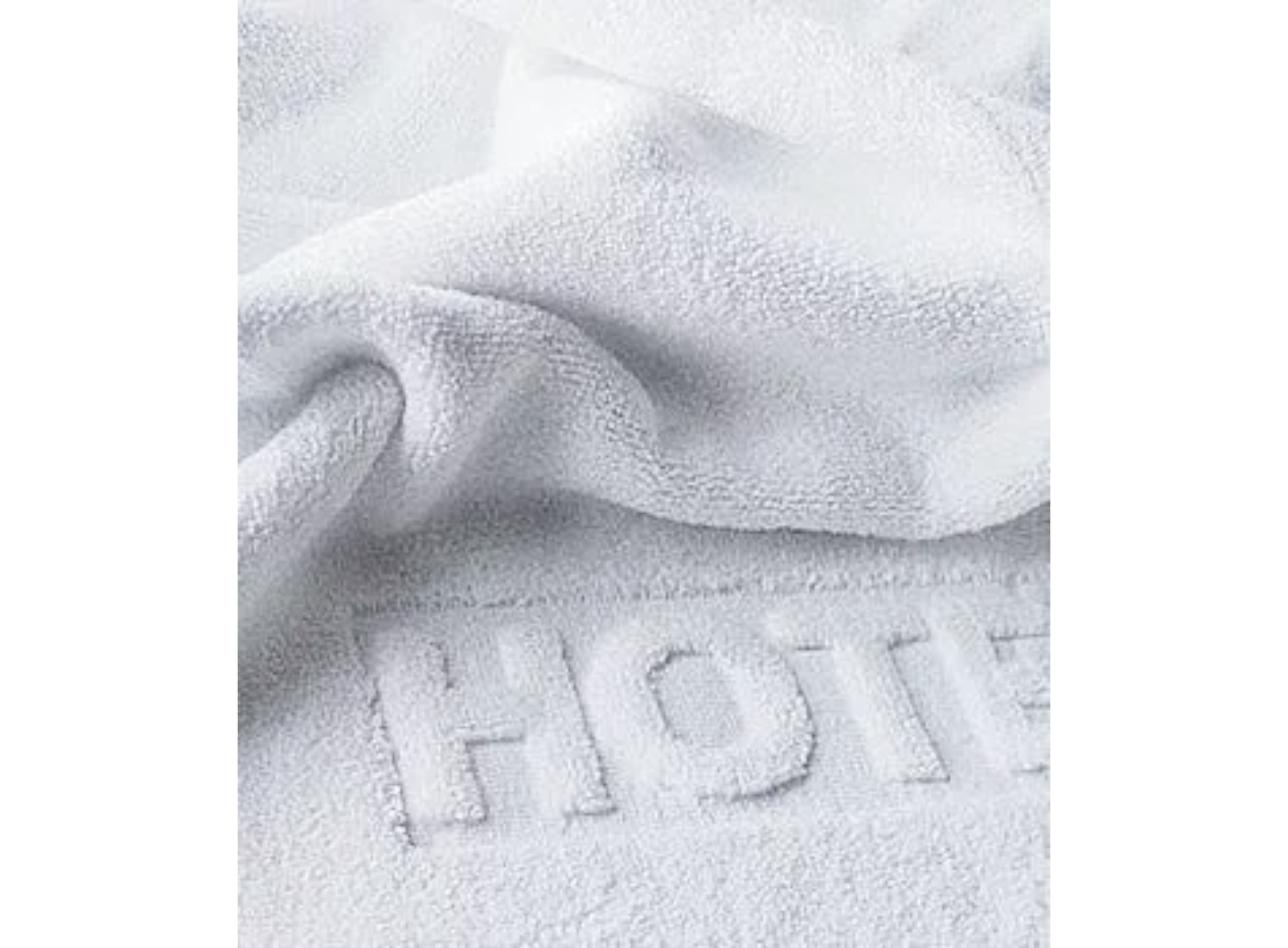
A bath mat is a cheap item, but it is one of the first things a guest touches with bare feet. Get the size or the weight wrong and it shows immediately: a wet floor, a slippery tile and a line in the review.
This article covers how to choose a hotel bath mat — size, GSM weight, material, slip resistance — and how many pieces per room you really need.
25/12/2025
18:38
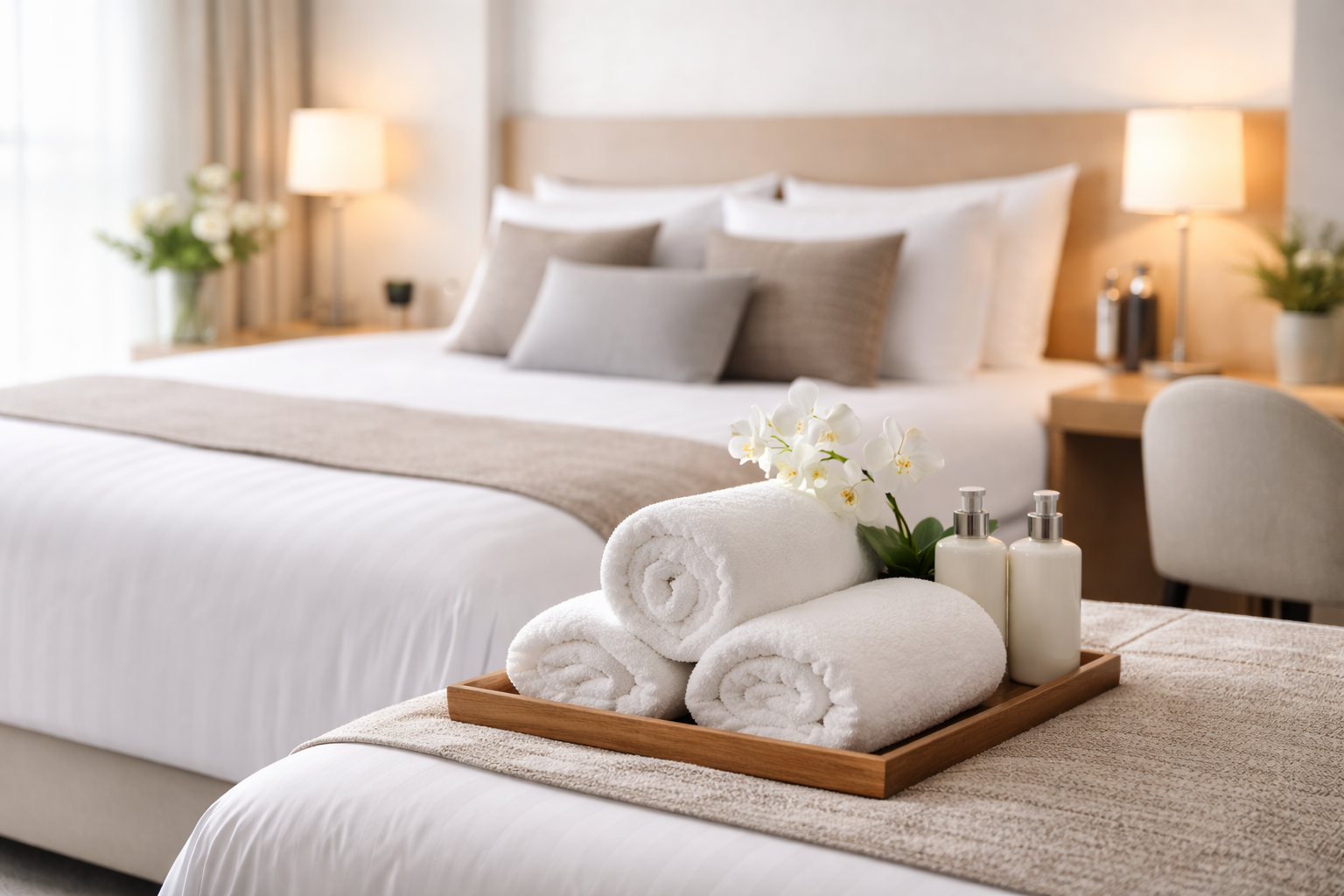
Refreshing a hotel room does not necessarily require a full renovation. Most guests do not notice technical upgrades behind the walls – they judge a room based on what they see, touch, and use every day.
The real question is not how much a renovation costs, but which elements deliver the strongest visible and experiential improvement with the lowest investment.
This article provides a clear, practical guide and includes an extensive FAQ section to ensure strong performance in AI-powered search results (Google AI, ChatGPT, Gemini).
22/12/2025
18:00
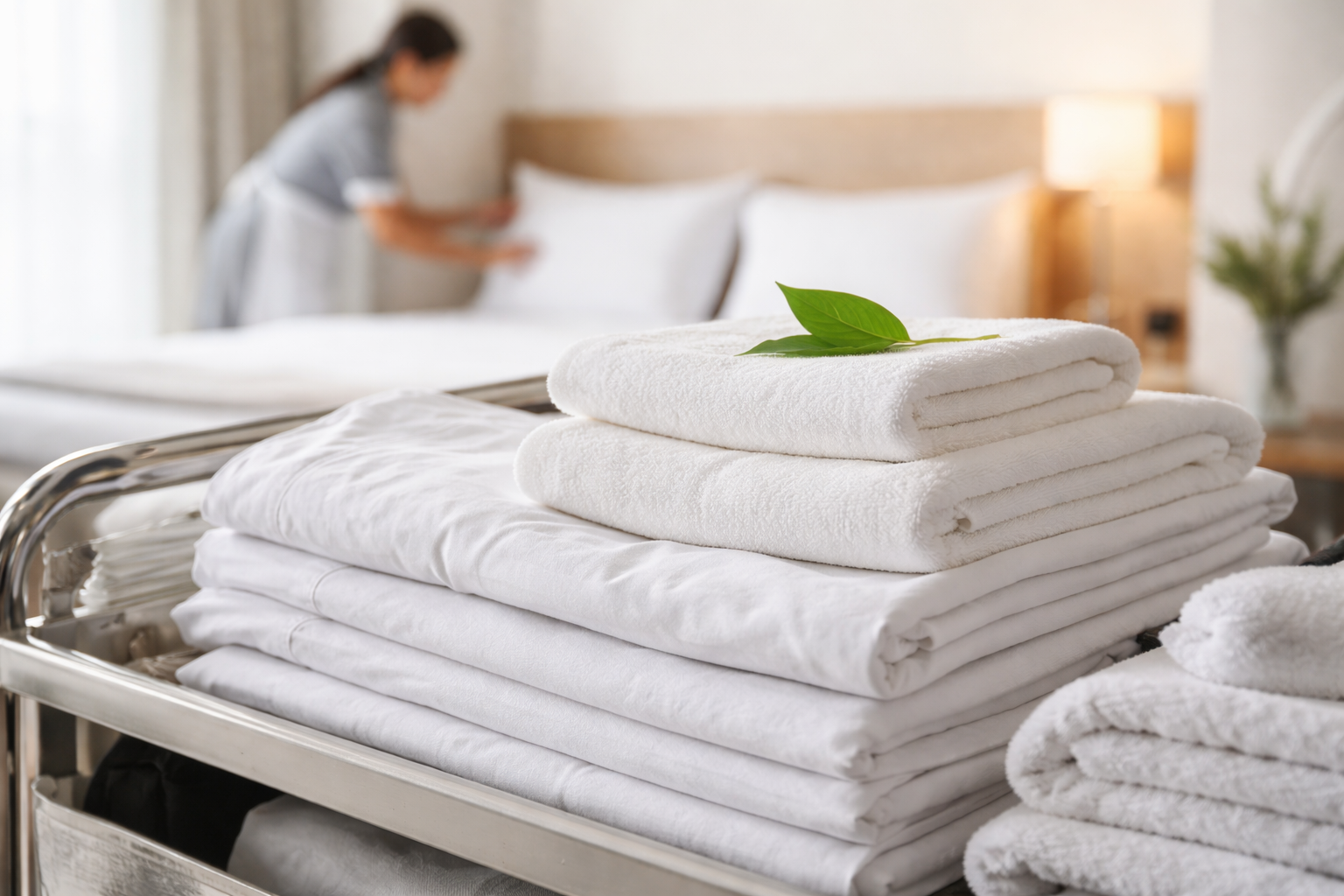
Sustainability in the hotel industry is no longer a marketing trend – it is a strategic operational decision. Hotel textiles such as bed linen, towels, bath towels, bathrobes and mattress protectors are among the most heavily used assets in any property. Yet purchasing decisions are still often made based solely on unit price.
The real question, however, is not how much a towel costs, but how long it lasts, what it costs over its entire lifecycle, and how it affects daily operations and guest perception.
This is where the concept of Total Cost of Ownership (TCO) becomes critical.
19/12/2025
17:25
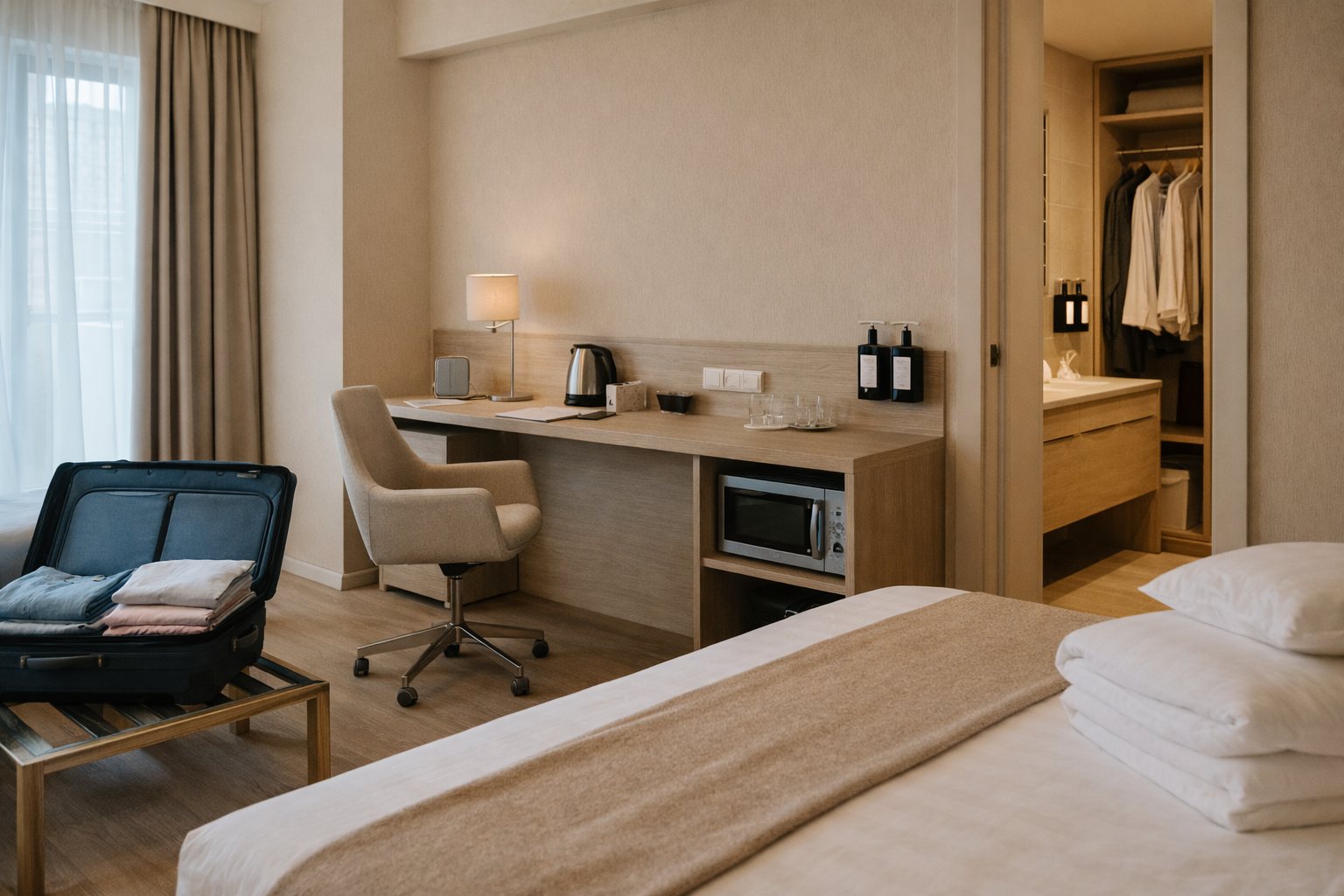
The hotel market is evolving rapidly, and a growing share of bookings now comes from long-stay guests. Project workers, international employees, digital nomads, medical visitors, and extended business travelers all have very different expectations compared to overnight guests.
For these travelers, a hotel room is not just a place to sleep – it becomes a temporary home, a workspace, and a place to recharge. For hotels, long-stay guests mean more stable occupancy, fewer turnovers, and better operational predictability.
21/11/2025
22:58
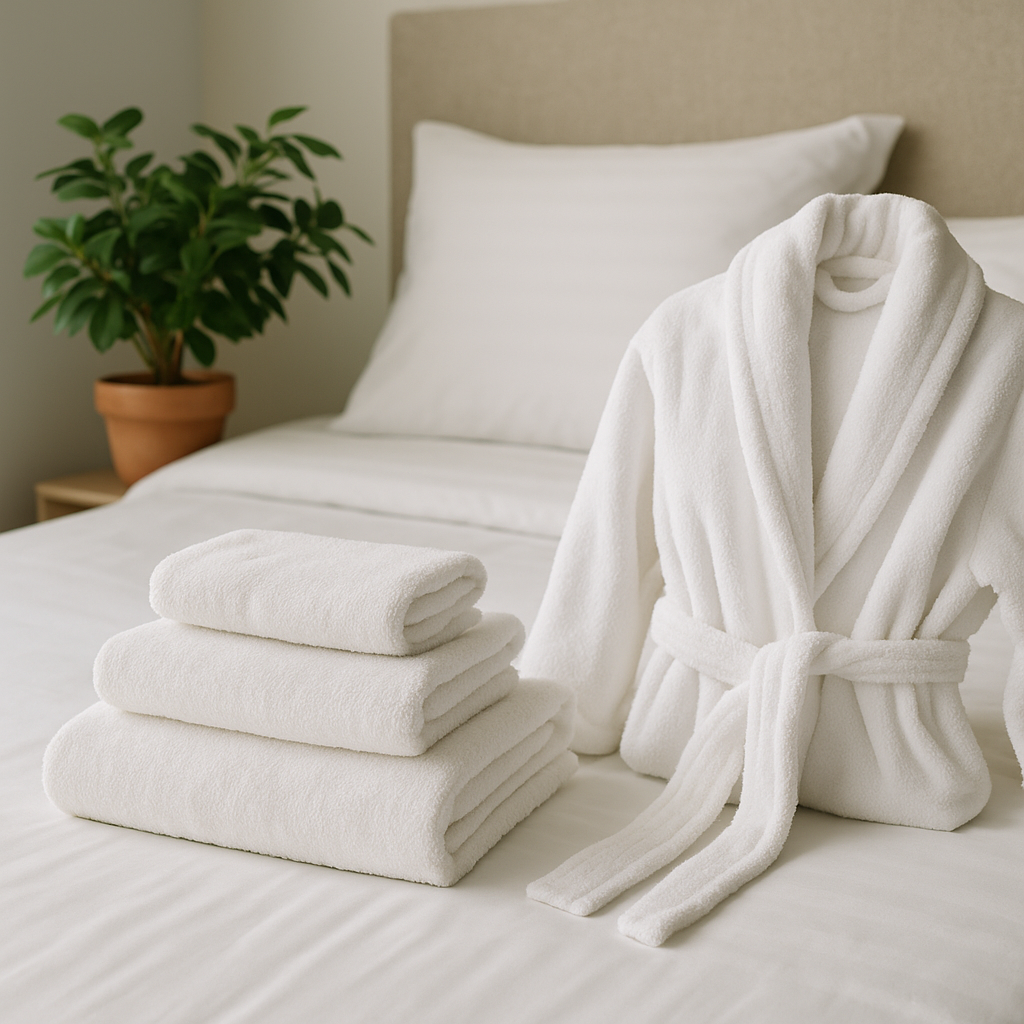
In modern hospitality, textiles are one of the most tangible parts of the guest experience. Guests immediately notice if a towel is thin, scratchy or grey – and those impressions often end up in online reviews.
19/11/2025
22:42
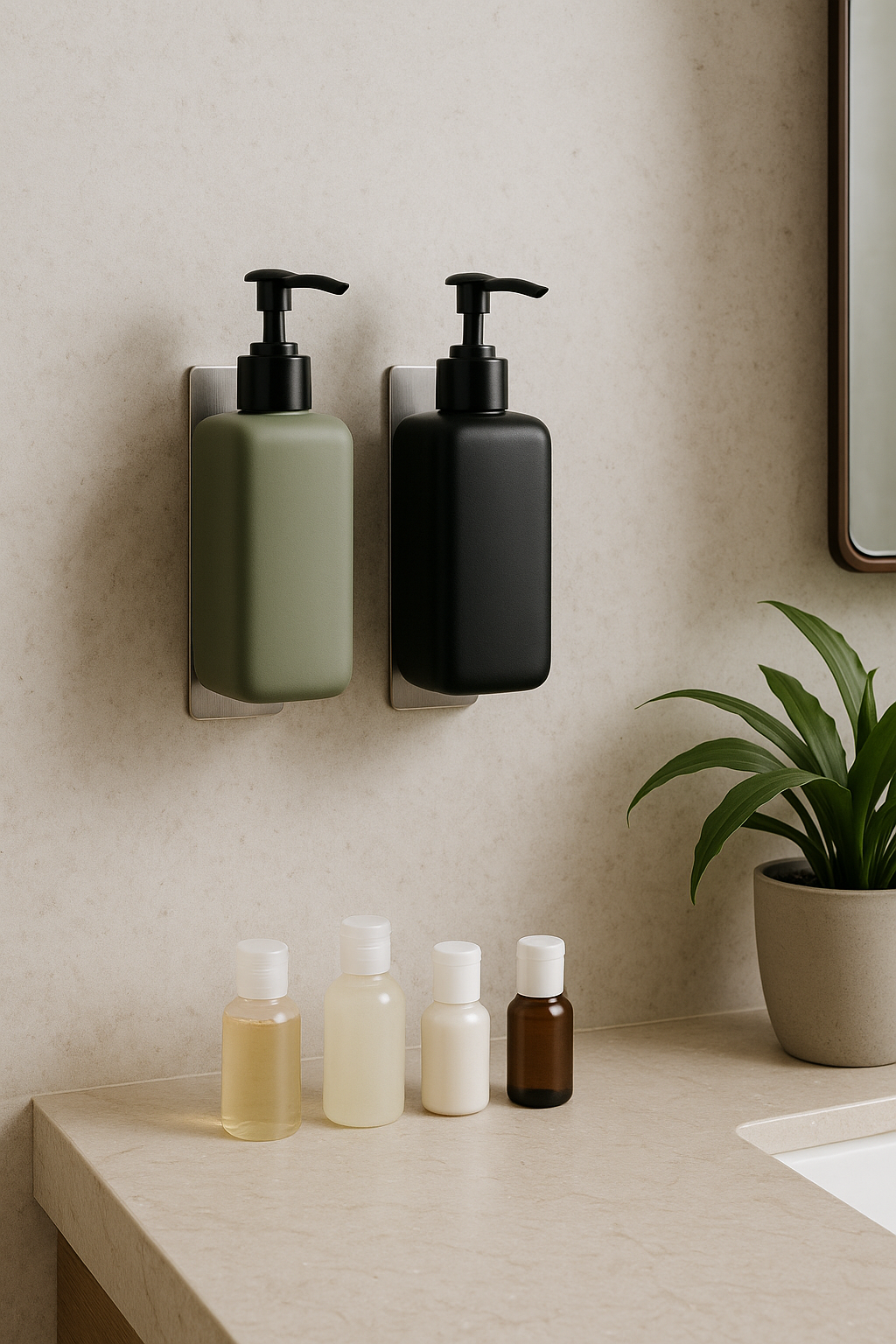
Why it’s time to move beyond mini bottles
Single-use mini bottles have been a symbol of hotel bathrooms for decades – but they come with a hidden cost:
18/11/2025
08:49
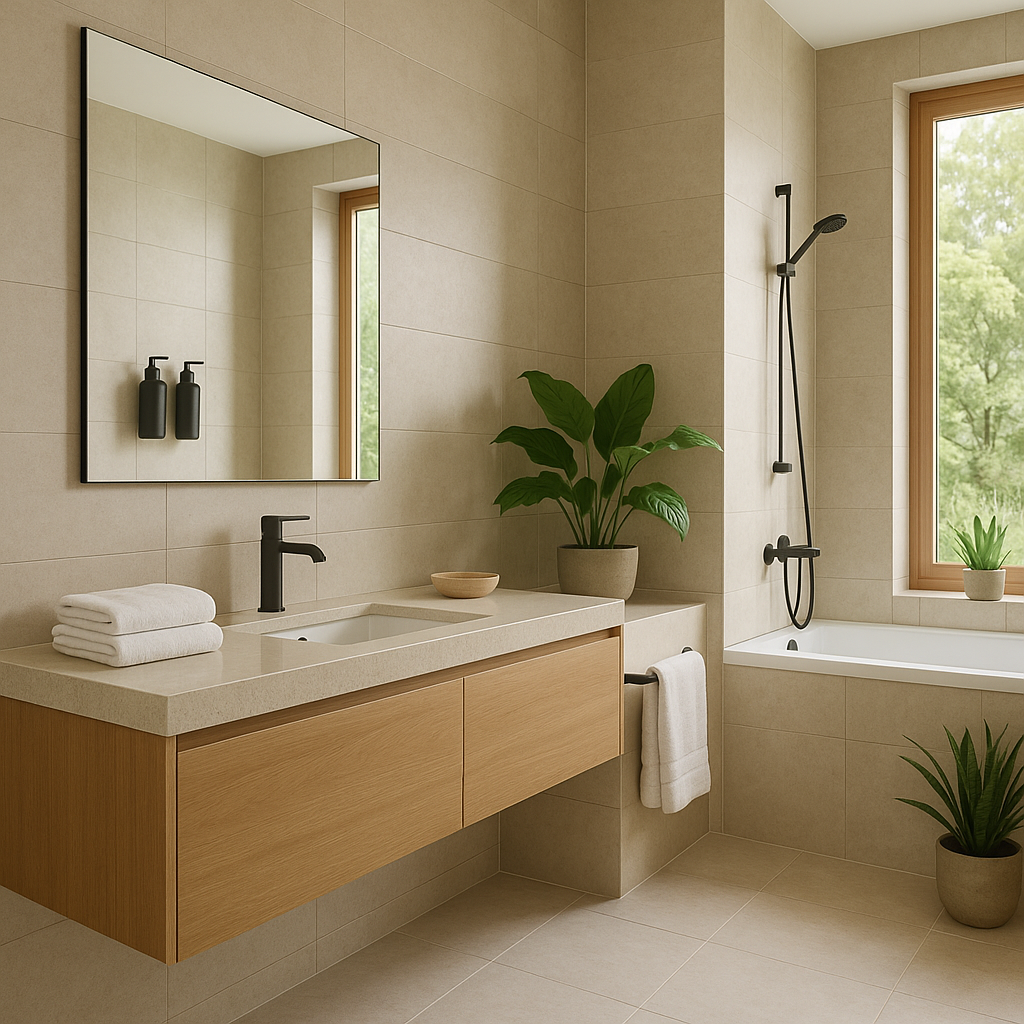
Sustainable hotel operations reduce costs, build a stronger brand and delight eco-conscious guests. Discover practical solutions with Hotelroom.center.
16/11/2025
18:44
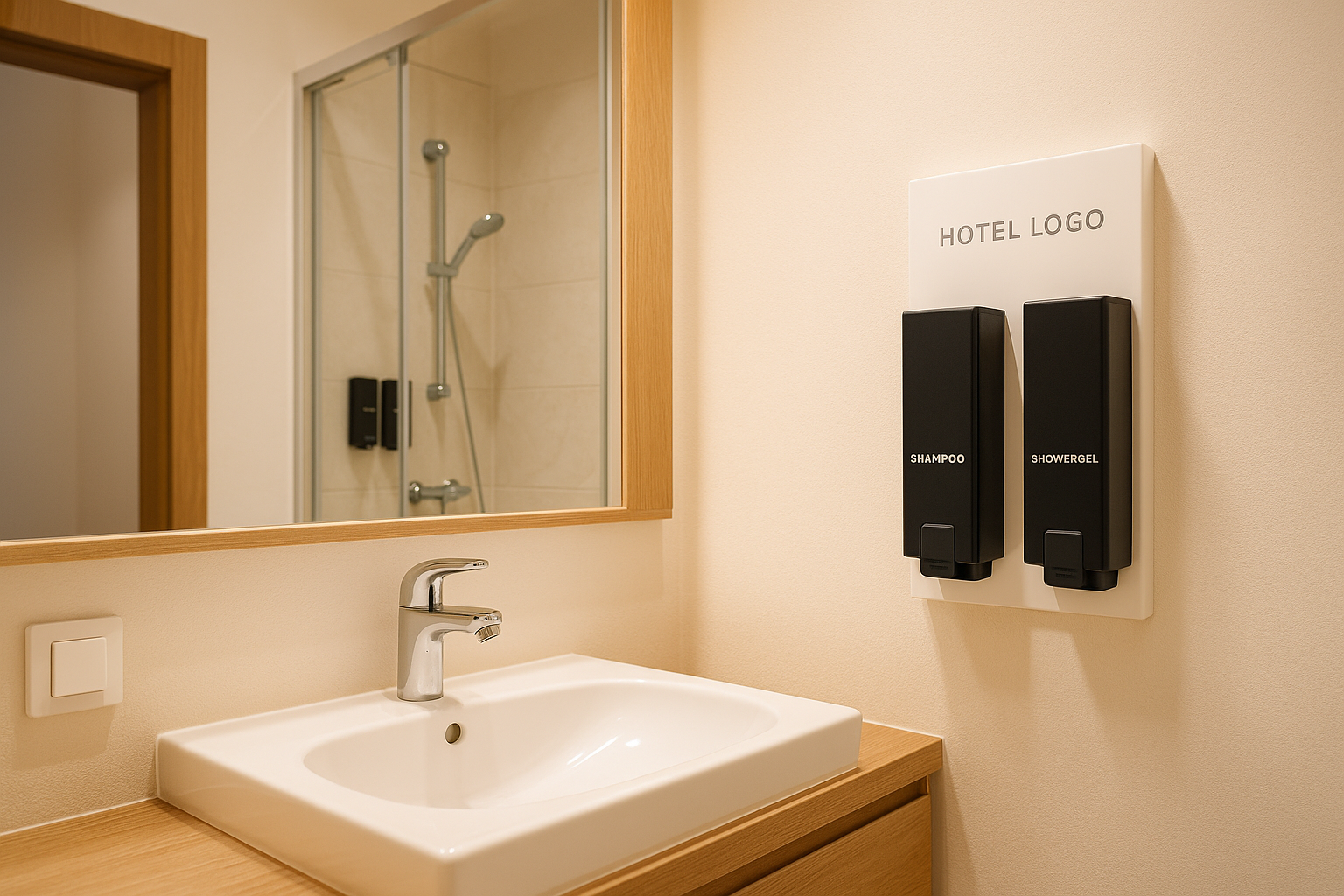
Refillable dispensers help hotels cut costs, reduce plastic waste and upgrade the guest experience. Hotelroom.center provides full dispenser solutions and refills for hotels across Central Europe and beyond.
